Most "EDC for women" advice starts in the wrong place.
It either turns into pink versions of regular gear, or it assumes every woman wants to carry a defensive tool, a multitool, a flashlight, a knife, a wallet, and half a hardware aisle. That is not how normal daily carry works. Normal daily carry starts with the problems you actually run into.
For a lot of women, the practical problem is not interest. It is clothing and carry method. Smaller pockets, fake pockets, leggings, office clothes, dresses, bags that change by day, and keys that migrate to the bottom of a tote all change what makes sense. A setup that works in my jeans does not automatically work in someone else's work pants or crossbody bag.
If you are still sorting out the basics, my beginner guide to EDC covers the broader idea. This one is more specific: how to build a useful carry when pocket space is limited and the bag is part of the system.
Start With Access, Not Gear
The first question is not "what should I buy?" It is "where will it live?"
If something is useful but buried in the bottom of a bag, it may as well be at home. The best setup is the one where the frequent stuff is reachable without unpacking your life in a parking lot.
Phone and wallet need a consistent pocket or quick-access bag slot. Keys need a clip, ring, or bright enough attachment that they stop disappearing. Small tools should either ride on the keychain or live in one small pouch. Anything bulky needs to justify itself.
That sounds boring because it is. Good EDC is mostly boring. The wins are small: finding keys faster, having a light when the parking lot is dark, cutting a tag without hunting for scissors, keeping cards in a front pocket instead of a giant wallet.
Quick Picks
| Item | Price | Buy | Best For |
|---|---|---|---|
| Victorinox Classic SD | ~$20-25 | Amazon → | Best keychain tool |
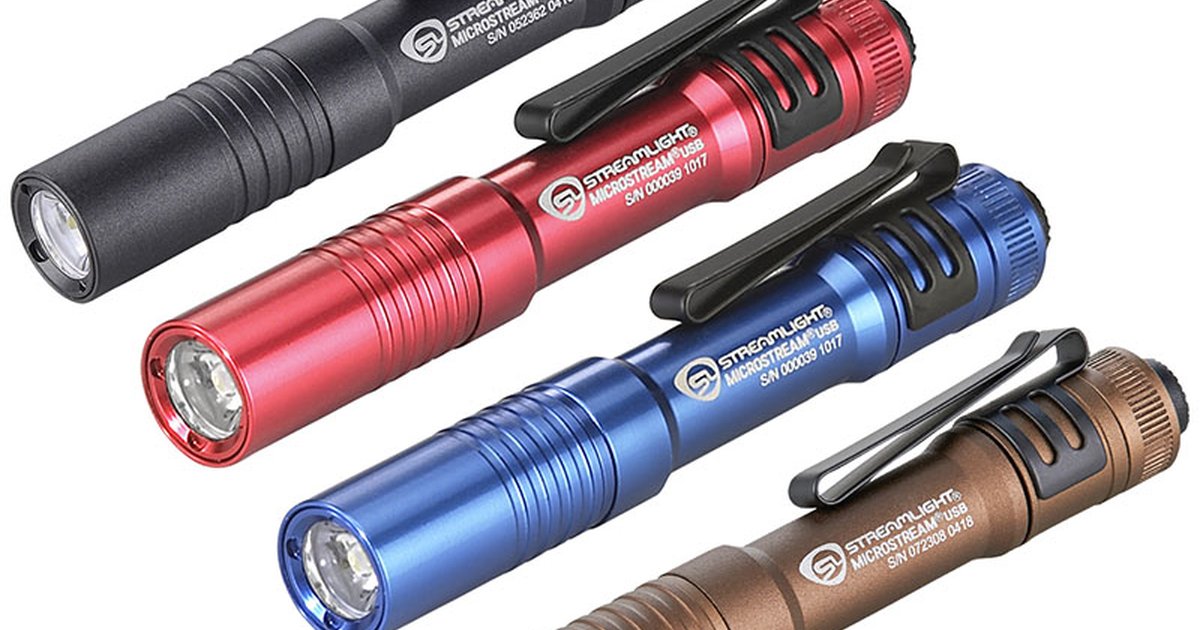
| Streamlight MicroStream USB | ~$30-40 | Amazon → | Best small flashlight |
| Nite Ize S-Biner MicroLock | ~$7-15 | Amazon → | Best key control |
| Bellroy Slim Sleeve | ~$79-89 | Amazon → | Best slim wallet |
| BAGGU Medium Nylon Crescent Bag | ~$52 | Amazon → | Best practical crossbody |
Victorinox Classic SD, Best Keychain Tool
The Classic SD is the easiest recommendation here because it solves tiny daily problems without asking for pocket space. It is the little Swiss Army knife with a small blade, scissors, nail file, screwdriver tip, tweezers, and toothpick. Victorinox lists the Classic SD at 58mm long, about 21g, and 9mm high.
The scissors are the reason I like it. People focus on the blade because EDC people always focus on blades, but the scissors handle tags, loose threads, broken nails, packaging, and all the fiddly stuff that a bigger knife handles badly.
This is also less awkward than pulling out a full-size pocket knife in an office, coffee shop, school pickup line, or store. It is not a hard-use tool. It is a small problem solver that can live on keys and be there when needed.
Streamlight MicroStream USB, Best Small Flashlight
A dedicated flashlight is one of those things that sounds unnecessary until your phone battery is low, your hands are full, or you need light without unlocking a screen.
The Streamlight MicroStream USB is small enough to clip in a pocket, bag slot, or organizer pouch. Streamlight lists it at 250 lumens on high, 50 lumens on low, 3.87 inches long, 1.2 ounces, IPX4 water resistance, and a rechargeable lithium-ion battery that charges in-product.
For limited-pocket carry, the clip matters as much as the lumen number. A light loose in a bag turns into another thing to dig for. A clipped light has a home. Clip it to the inside pocket of a bag, the edge of a pouch, or a pocket when you actually have one.
If you want cheaper and smaller, keychain lights can work. I still prefer a real pocket light if you walk to a car in the dark, commute early, travel, or spend time in parking garages. Phone lights are fine until they are not.
Nite Ize S-Biner MicroLock, Best Key Control
Keys are where a lot of carry systems fail. They are noisy, pokey, and somehow always under the receipt, lip balm, earbuds, and whatever else is living at the bottom of the bag.
The Nite Ize S-Biner MicroLock is cheap and boring in the useful way. Nite Ize sells the stainless version in 2-packs and 5-packs, with the 2-pack listed around $6.99 direct, and the center twist lock keeps small keys from popping loose. It is not fancy. It just lets you split a car key, house key, work key, or small tool into a setup that is easier to remove.
This is especially useful if your carry changes. Work keys during the week, no work keys on the weekend. Car key clipped to a bag, house key clipped inside a small pouch. A tiny connector gives you options without turning your keyring into a metal knot.
Bellroy Slim Sleeve, Best Slim Wallet
A slim wallet matters more when pockets are bad. A big wallet can disappear into a backpack, but it gets annoying fast in a small crossbody, jacket pocket, front pocket, or tiny bag compartment.
The Bellroy Slim Sleeve is a good middle ground if you still want a leather bifold instead of a hard cardholder. Bellroy lists it for 5 to 11 cards, two quick-access card slots, pull-tab card storage, and space for folded bills. It usually sits around the $79 to $89 range depending on material and sale pricing.
I would not buy it if you carry receipts, gift cards, loyalty cards, cash, coins, and three insurance cards every day. It is not magic. It works because it forces the wallet to stay edited.
If you carry only a few cards and want something that can move between jeans, a work bag, and a small purse without taking over, it makes sense. My slim wallet guide covers more options if you want a cheaper cardholder instead.
BAGGU Medium Nylon Crescent Bag, Best Practical Crossbody
I am usually suspicious of bags that get popular online, because popularity does not always mean useful. Sometimes it just means the shape photographs well.
The BAGGU Medium Nylon Crescent Bag is popular, but the practical reasons are not hard to see: soft recycled nylon, adjustable 37.5-inch strap, zip closure, enough room for daily basics, and a shape that can work as a crossbody without looking like a hiking sling. Current pricing is about $52 direct, with marketplace prices moving around by color.
For EDC, the important part is not the bag by itself. It is the bag plus a small internal system. Put wallet and phone in the same pocket every time. Clip keys to the same point every time. Keep the Classic SD and MicroStream in a tiny pouch or fixed pocket. Do not let the bag become a soft bucket full of loose objects.
If you already have a bag you like, you do not need this specific one. Use the bag you actually carry. The rule is simple: if the item is important, it gets a repeatable home.
A Simple Setup That Works
If I were building this from scratch, I would keep it plain:
- Keys: house key, car key, Nite Ize MicroLock, Classic SD if keys are always with you
- Bag or pocket: phone, slim wallet, MicroStream clipped where it can be found by feel
- Optional pouch: charger cable, lip balm, bandages, medication, spare hair tie, anything small that otherwise wanders
The trick is restraint. Do not build a kit for every possible inconvenience. Build a kit for the three or four problems that actually repeat in your life. If keys disappear, solve keys. If pockets are useless, solve access. If you are always asking for scissors, put a Classic SD where you can reach it.
My practical recommendation: start with key control and one small tool before buying a bag full of gear. A Classic SD, a MicroLock, and a consistent place for your wallet and phone will improve more daily moments than a pile of expensive EDC accessories.
Disclosure: This post contains affiliate links. When you buy through our links, we earn a small commission at no extra cost to you. Thanks for supporting independent EDC reviews!