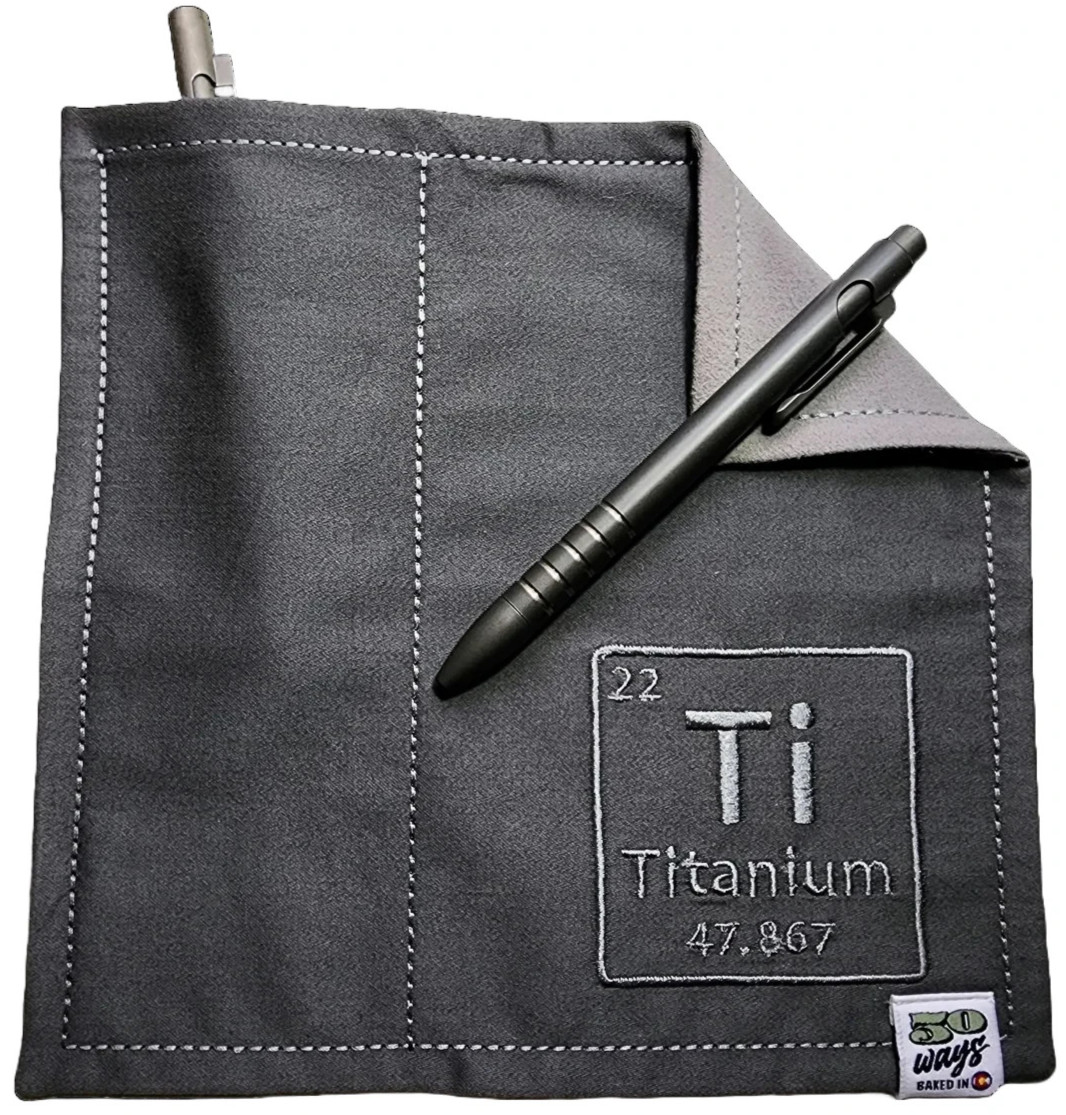
EDC just means everyday carry. That's it. It's the stuff you keep on you because you actually use it, not because you want your pockets to look like a gear flat lay on Instagram.
Most people already have an everyday carry without calling it that. Phone, wallet, keys. Maybe earbuds. Maybe a pocket knife if you work with your hands or spend time outdoors. The difference is that once you start paying attention to what you reach for all the time, you get a little more deliberate about it.
If you're new to this whole thing, my bigger EDC Essentials guide gets into how to build a full setup. This one is simpler: what EDC is, why people bother with it, and where beginners usually get it wrong.
EDC Isn't About Looking Tactical
This is the part that turns normal people off. Search for EDC online and half the photos look like somebody emptied a Batman utility belt onto a wood desk.
Real everyday carry is boring in a good way. It's a flashlight because your phone light is lousy when you need both hands. It's a knife because packages exist and manufacturers apparently wrap everything like they're shipping plutonium. It's a slim wallet because a fat back-pocket wallet is a dumb problem people got used to.
The useful version of EDC is built around friction. What annoys you during a normal week? Dead phone by 5 PM? Keys jangling like a janitor? Never having a decent cutting tool when a box shows up? That's where your carry starts.
The Point Is Consistency, Not Quantity
A drawer full of gadgets is not EDC. If it stays at home because it's too bulky, too weird, or too expensive to lose, then it failed the job.
Good everyday carry disappears into your routine. You stop thinking about it until the moment you need it. That's why the best beginner setups are usually small. One decent knife. One small flashlight. A wallet that doesn't feel like a brick. Maybe a keychain tool if it actually earns its place.
I've tried carrying too much before. Everybody does it once. You get excited, load up your pockets, sit down in your car, and realize you feel like you're smuggling plumbing parts. That phase usually passes.
The Stuff Most People Actually Carry
If you strip away the hobbyist nonsense, most EDC setups fall into four buckets: cutting, light, wallet, and keys. Everything else is optional.
A pocket knife is still the single most useful item for a lot of people. Not for fantasy scenarios. For opening feed bags, trimming loose material, breaking down boxes, cutting fruit at lunch, all the regular-life stuff.
A flashlight sounds excessive until your power goes out, you drop something under a seat, or you're trying to check a breaker panel at night. Then suddenly your phone light feels like a bad compromise.
Wallet and keys aren't exciting, but they matter because they're guaranteed to be with you. If those two parts are annoying, your whole carry feels annoying.
A Simple Starter Setup That Makes Sense
If someone asked me where to start without spending a fortune, I'd keep it very plain.
The Victorinox Classic SD is the kind of tool I recommend to people who don't even think of themselves as knife people. It's tiny, about 2.25 inches long and roughly 0.7 ounces, and usually lands around the $20 range depending on color and seller. The blade is small, but the scissors are what make it worth carrying. That's the tool you'll actually use for tags, threads, tape, and all the little fiddly stuff that a larger folder handles badly.
For light, the Streamlight MicroStream USB is a very sane place to start. Streamlight rates it at 250 lumens on high, 50 on low, with a 3.87-inch body and 1.2-ounce weight. Price usually sits around the low-$30s to low-$40s. It's small enough to disappear in a pocket, rechargeable, and bright enough for real tasks instead of novelty use.
If you like the idea of a tiny utility tool but don't want another bulky item hanging off your keys, the Nite Ize DoohicKey is fine for what it is. Stainless steel, about seven bucks, ruler, bottle opener, flathead, a few wrench cutouts. I don't think everybody needs one, but it's better than a lot of oversized keychain junk because at least it stays small.
Where Beginners Usually Waste Money
They buy for identity instead of use.
That sounds harsher than I mean it, but it's true. People start with a titanium pry bar, a $90 pen, a wallet that looks like a piece of industrial siding, then realize what they actually needed was a better flashlight and fewer cards in their pocket.
You do not need premium steel, exotic materials, or a bag full of backup tools to understand EDC. You need one or two things that solve recurring problems. Once those prove useful, then you can decide if you want to refine the setup.
This is also where a lot of the online gear talk loses me. There's too much obsession with specs in isolation. Steel charts, lumen wars, scale materials. Some of that matters. Most of it matters less than whether you'll still carry the thing three weeks from now.
What Counts as Good EDC
If it gets used, carries comfortably, and doesn't annoy you, it's good EDC.
That means your setup might be simpler than what you see online. Good. Simpler is usually better here. The whole point is to make your day easier, not turn your pockets into a hobby project.
If you're starting from scratch, buy one small tool and one small light, carry them for a month, and pay attention. You'll learn more from that than from reading thirty forum threads about blade steel. And if all you end up deciding is that a slim wallet and a flashlight are enough, that's still a solid carry. Probably better than most of the nonsense people convince themselves they need.
Ready to go deeper? Start with the EDC Essentials guide, then follow it with the Budget EDC Guide if you want a full setup without overspending.
Disclosure: This post contains affiliate links. When you buy through our links, we earn a small commission at no extra cost to you. Thanks for supporting independent EDC reviews!